|
I
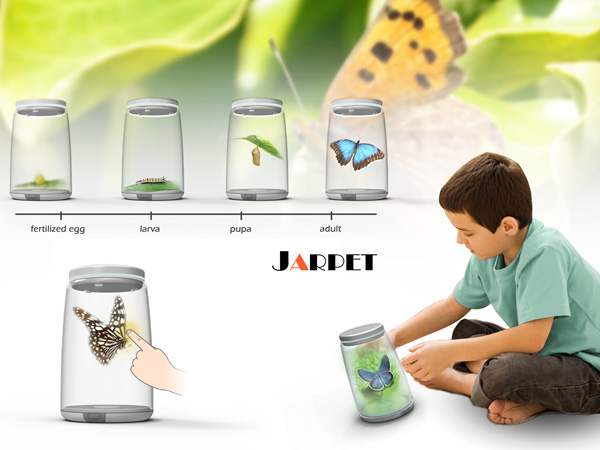
love the Jarpet concept for being an innovative and interactive way of
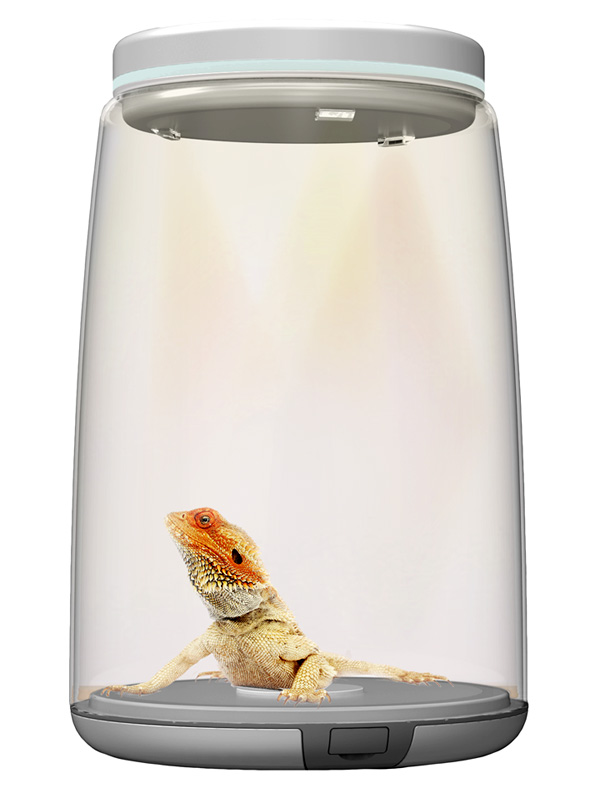
exploring the animal kingdom. Basically the Jar is a 3-D projector that
hooks up to the computer. You can download information and the app for a
3-D projected pet that sparks into life when the Jar is turned on.
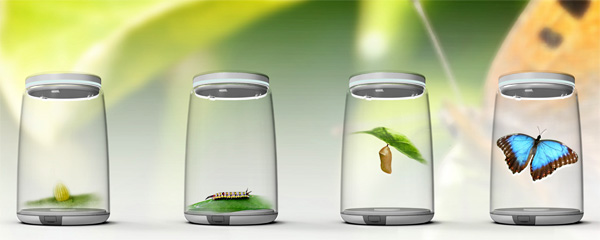
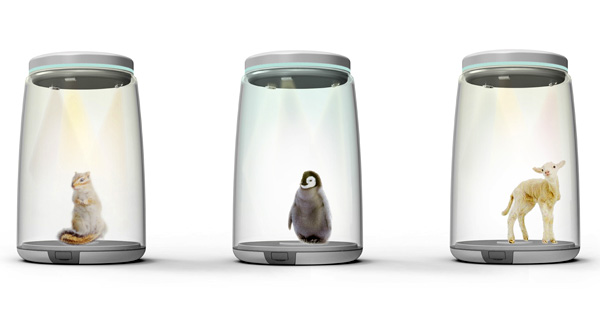
Ideal for chidlen, it can turn into a hub for learning the lifecycle of a
butterfly to owning a pet squirrel. Kids can enjoy vivid interactions
with it, via multi-sensory technology.
There
is a USB connection at the base of Jarpet, through which it is charged
and transmits information. Online Jarpet shops will provide image data
for various animals, and parents can make purchases according to their
children’s interests.
Jarpet is a 2012 red dot award: design concept winner.
Designers: Zhang Di, Zhao Tianji, Ma Yinghui & Cui Minghui
      |
1/22/13
Interactive 3-D Pets In A Jar

1/15/13
Top 5 World's Most Amazing Islands
Top 5 World's Most Amazing Islands
Check out these interesting Islands, very interesting info! Includes the Alcatraz Island, Easter Island, Sealand, Surtsey & the Gunkanjima!
5. ALCATRAZ ISLAND (USA): home to the first lighthouse on the Pacific Coast
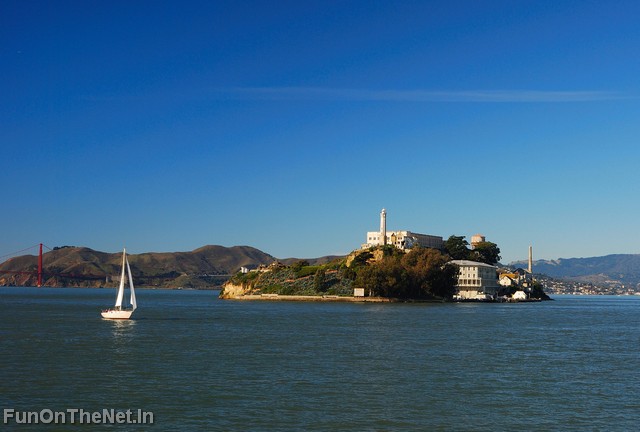
Alcatraz Island (sometimes informally referred to as simply Alcatraz or
by its pop-culture name, The Rock) is a small island located in the
middle of San Francisco Bay in California, United States. It served as a
lighthouse, then a military fortification, then a military prison
followed by a federal prison until 1963, when it became a national
recreation area. The first European to discover the island was Juan de
Ayala in 1775, who charted the San Francisco Bay and named the island
"La Isla de los Alcatraces", which means "Island of the Pelicans".
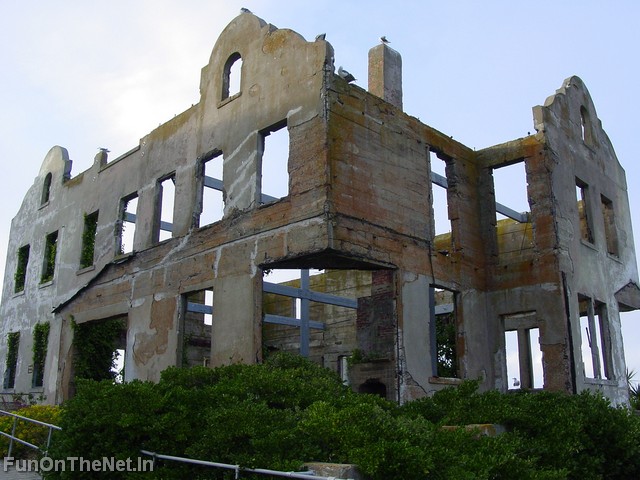
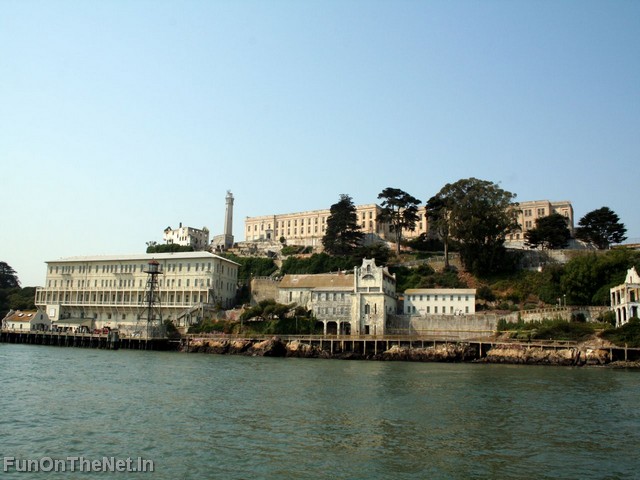
The discovery of gold in California in 1848 brought thousands of ships to San Francisco Bay, creating an urgent need for a navigational lighthouse. In response, Alcatraz lighthouse #1 was erected and lit in the summer of 1853. Because of its natural isolation in the middle of a bay, surrounded by cold water and strong sea currents, Alcatraz was soon considered by the U.S. Army as an ideal location for holding captives. Alcatraz was the Army's first long-term prison, and it was already beginning to build its reputation as a tough detention facility by exposing inmates to harsh conditions and iron fisted discipline. Due to rising operational costs because of its location, the Military Department decided to close this famous prison in 1934, and it was subsequently taken over by the Department of Justice and later became the famous federal prision and finally a recreation area.
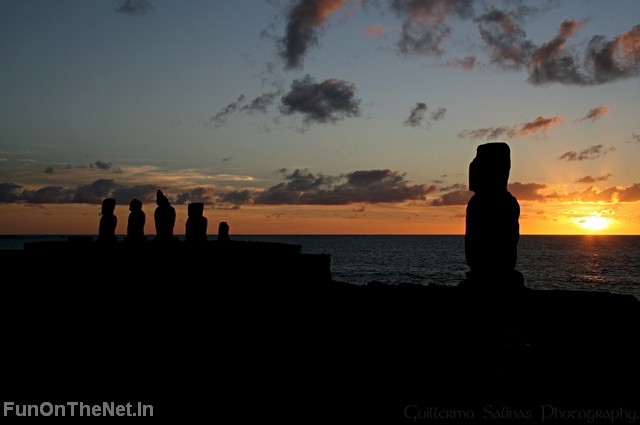
4. EASTER ISLAND (Polynesian triangle, Chile): world heritage site and one of the most isolated inhabited islands in history
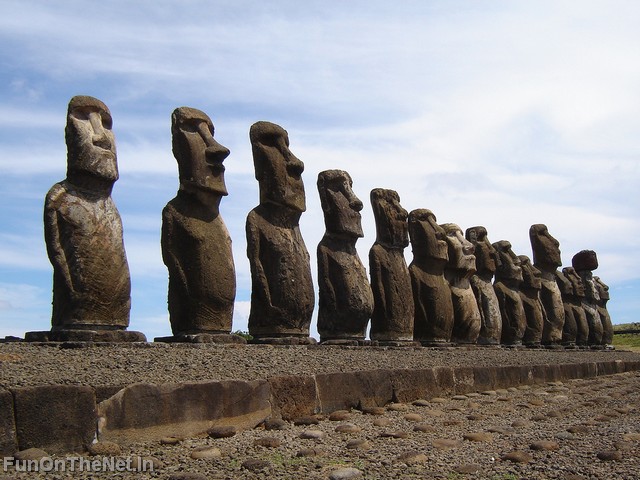
Easter Island is one of the world's most isolated inhabited islands. It
is 3,600 km (2,237 miles) west of continental Chile and 2,075 km (1,290
miles) east of Pitcairn. Nowdays, it is a Chilean-governed island, and
is a world heritage site with much of the island protected by the Rapa
Nui National Park.
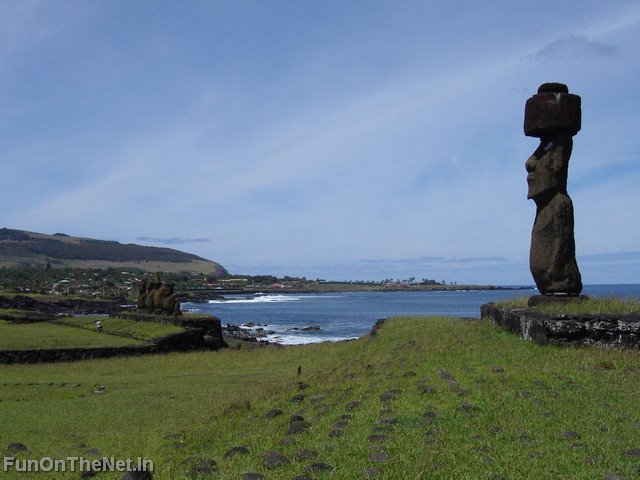
First settled by a small party of Polynesians, Easter Island is one of the youngest inhabited territories on Earth, and for most of its history it was the most isolated inhabited territory on Earth. Its inhabitants the Rapanui have endured famines, epidemics, civil war, slave raids and colonialism; have seen their population crash on more than one occasion, and created a cultural legacy that has brought them fame out of all proportion to their numbers.
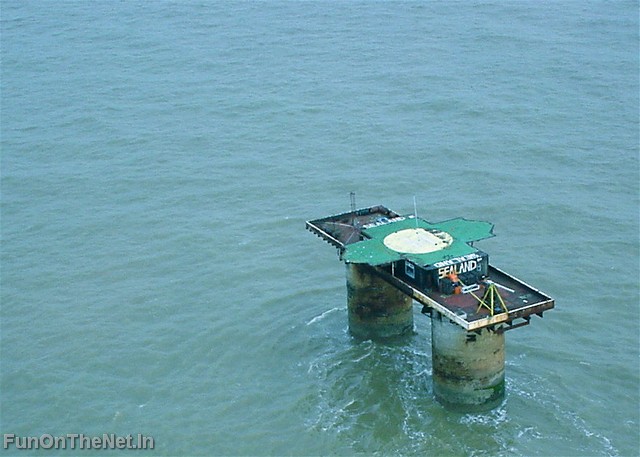
3. SEALAND (Principality): World's smallest island
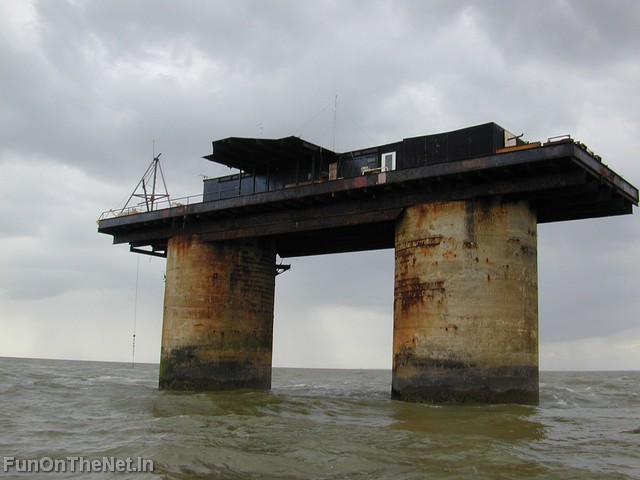
The Principality of Sealand is an island and a micronation located on
HM Fort Roughs, a former Maunsell Sea Fort located in the North Sea 10
km (six miles) off the coast of Suffolk, England, in what is claimed as
territorial waters using a twelve-nautical-mile radius.
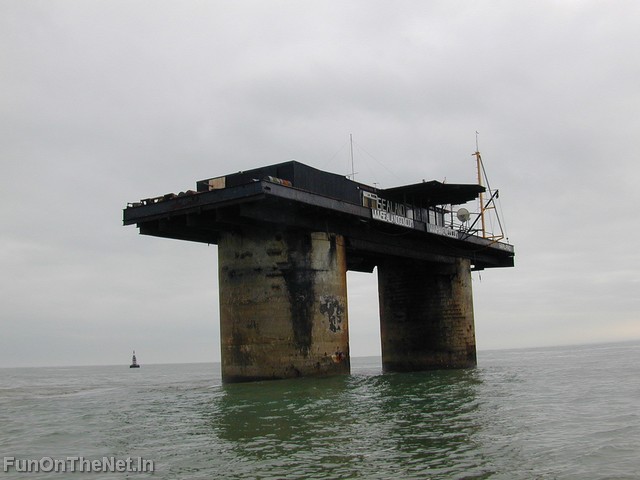
Sealand's claims to sovereignty and legitimacy are not recognised by any country, yet it is sometimes cited in debates as an interesting case study of how various principles of international law can be applied to a territorial dispute.
2. SURTSEY (Iceland): The emerging island
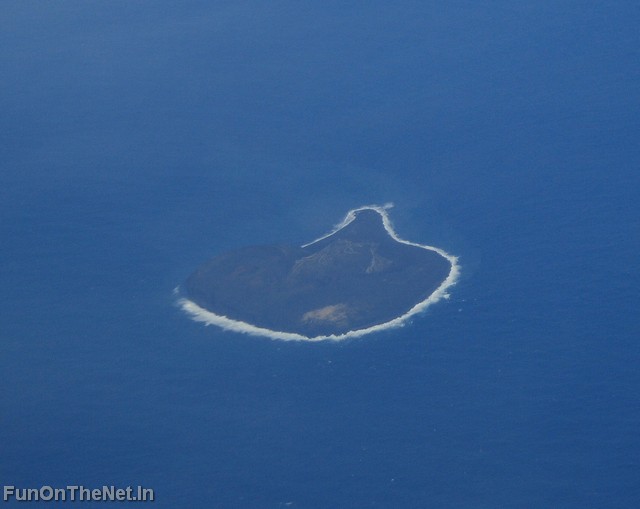
Off the coast of Iceland on the morning of 14 November 1963, the crew
of a lone fishing trawler spotted an alarming sight. Off to the
southwest of the Ísleifur II, a column of dark smoke was rising from the
water. Concerned that it could be another boat on fire, the captain
directed his vessel towards the scene. Once there, however, they found
not a boat but a series of violent explosions producing ash. This was an
unmistakable indication of a volcanic eruption taking place underwater,
close to the surface. Very aware of the potential danger but eager to
watch, the crew kept their boat nearby. It was indeed a remarkable event
that they would witness a small part of over the course of that
morning: the formation of a brand-new island.
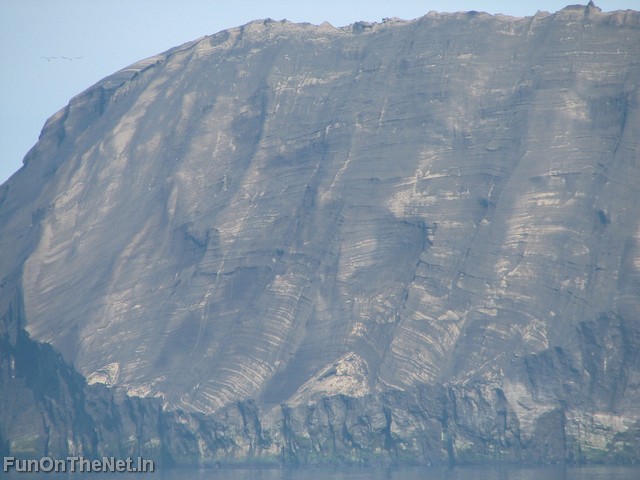
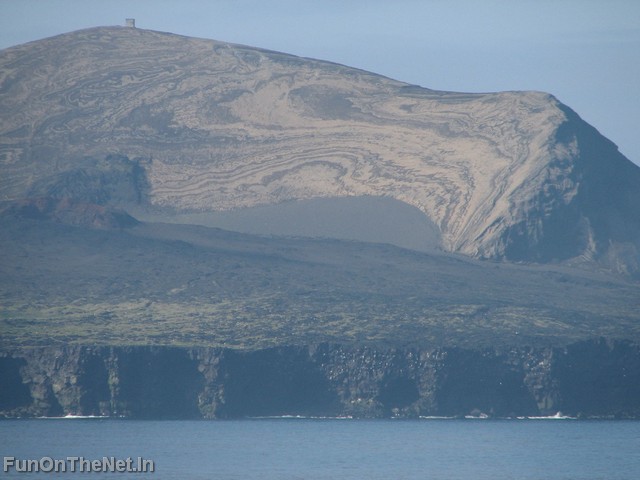
Although now quite visible, the eruption lasted for much, much longer than the Ísleifur II would have been able to watch. After several days, the volcano had broken the water's surface, forming an island over 500 meters long and 45 meters tall. Even though the rough tides of the North Atlantic might have soon eroded the new island away, it was named Surtsey, meaning 'Surtur's island' - Surtur (or Surtr) being a fire giant of Norse mythology. The island proved to be tenacious, however. The eruption was ongoing and Surtsey increased in size more quickly than the ocean could wear it down. In the meantime two other nearby volcanic eruptions produced the beginnings of islands, but neither lasted very long. By April 1964, though, the most violent parts of the eruption were over and Surtsey remained.
1. GUNKANJIMA (Japan): the Ghost (and forbidden) Island
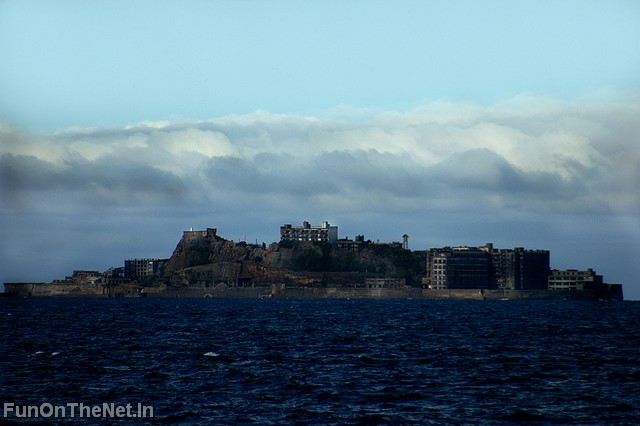
Gunkanjima is one among 505 uninhabited islands in the Nagasaki
Prefecture about 15 kilometers from Nagasaki itself. The island was
populated from 1887 to 1974 as a coal mining facility. The island's most
notable features are the abandoned concrete buildings and the sea wall
surrounding it. It is known for its coal mines and their operation
during the industrialization of Japan. Mitsubishi bought the island in
1890 and began the project, the aim of which was retrieving coal from
the bottom of the sea. They built Japan's first large concrete building,
a block of apartments in 1916 to accommodate their burgeoning ranks of
workers, and to protect against typhoon destruction.
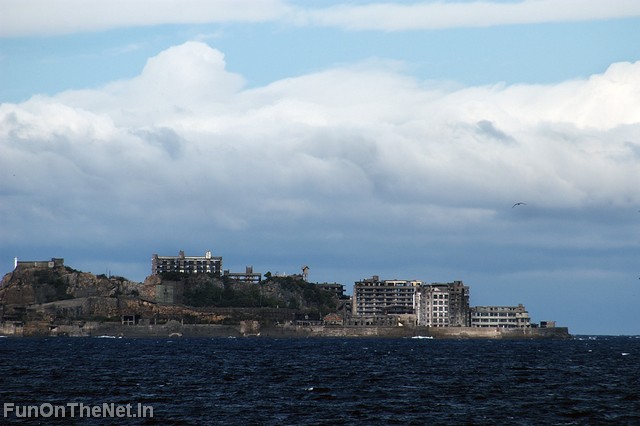
Gunkanjima
is one among 505 uninhabited islands in the Nagasaki Prefecture about
15 kilometers from Nagasaki itself. The island was populated from 1887
to 1974 as a coal mining facility. The island's most notable features
are the abandoned concrete buildings and the sea wall surrounding it. It
is known for its coal mines and their operation during the
industrialization of Japan. Mitsubishi bought the island in 1890 and
began the project, the aim of which was retrieving coal from the bottom
of the sea. They built Japan's first large concrete building, a block of
apartments in 1916 to accommodate their burgeoning ranks of workers,
and to protect against typhoon destruction.
In 1959, its population density was 835 people per hectare for the whole island, or 1,391 per hectare for the residential district, one of the highest population density ever recorded worldwide. As petroleum replaced coal in Japan in the 1960s, coal mines began shutting down all over the country, and Hashima's mines were no exception. Mitsubishi officially announced the closing of the mine in 1974, and today it is empty and bare, which is why it's called the Ghost Island. Travel to Hashima is currently prohibited.
In 1959, its population density was 835 people per hectare for the whole island, or 1,391 per hectare for the residential district, one of the highest population density ever recorded worldwide. As petroleum replaced coal in Japan in the 1960s, coal mines began shutting down all over the country, and Hashima's mines were no exception. Mitsubishi officially announced the closing of the mine in 1974, and today it is empty and bare, which is why it's called the Ghost Island. Travel to Hashima is currently prohibited.
The World’s Most Unusual Plants
The World’s Most Unusual Plants
Dont gift any of these to your Valentine :)These are the top 4 of the most Unusual plants & flowers, enjoy!
1. Rafflesia arnoldii: this parasitic plant develops the world's largest bloom that can grow over three feet across. The flower is a fleshy color, with spots that make it look like a teenager's acne-ridden skin. It smells bad and has a hole in the center that holds six or seven quarts of water. The plant has no leaves, stems, or roots.


2. Hydnora africana, an unusual flesh-colored, parasitic flower that attacks the nearby roots of shrubby in arid deserts of South Africa. The putrid-smelling blossom attracts herds of carrion beetles.


3. Dracunculus vulgaris: smells like rotting flesh, and has a burgundy-colored, leaf-like flower that projects a slender, black appendage.


4. Amorphophallus: means, literally, "shapeless penis." The name comes from the shape of the erect black spadix.


Cool Stool
Named
“270°” for the degree by which its 3 circular pipe mechanisms swing,
this functional stool design is actually an all-in-one chair, desk and
table! It’s the perfect multipurpose piece for both compact spaces and
modern offices, effortlessly transitioning from seat to workstation with
a simple pull of one of the panels.
Designer: Sankalp Sinha






Light Saber Can For The Sight Impaired!
The
Eye Stick reinvents the traditional cane! It removes the inconveniences
caused by a traditional cane for the blind and replaces it with
scientifically enhanced saber-like device. Its designed not to be very
long and uses rays and ultrasonic sensors to determine distance
measurement, and thus help the sight impaired to navigate their
surroundings safely.
“Eye
Stick reinvents the traditional cane. It uses ultrasonic waves to
reliably measure distance, unaffected by rain, fog, or other climate
problems. Projected light is used to prevent collisions with other
pedestrians. The ultrasonic system delivers information about hazards
such as barriers and changes in floor level, detecting them in advance.
Eye Stick also offers another function. It can obtain information about
products, for example, by automatically scanning barcodes through a
camera. The information is sent through a Bluetooth connection and
converted to voice.”
The Eye Stick is a 2012 red dot award: design concept winner.
Designer: Kim Tae-Jin






Saturn Moon Titan May Have Ice Floating in Lakes
Saturn Moon Titan May Have Ice Floating in Lakes
by SPACE.com Staff
Date: 14 January 2013 Time: 08:00 AM ET

|
 This artist's concept envisions what hydrocarbon ice forming
on a liquid hydrocarbon sea of Saturn's moon Titan might look like.
Image released Jan. 8, 2012.
This artist's concept envisions what hydrocarbon ice forming
on a liquid hydrocarbon sea of Saturn's moon Titan might look like.
Image released Jan. 8, 2012.CREDIT: NASA/JPL-Caltech/USGS |
The presence of such ice floes in the ethane and methane seas on Titan would make the moon an even more exciting target for astrobiologists, researchers said.
"One of the most intriguing questions about these lakes and seas is whether they might host an exotic form of life," study co-author Jonathan Lunine of Cornell University said in a statement. "And the formation of floating hydrocarbon ice will provide an opportunity for interesting chemistry along the boundary between liquid and solid, a boundary that may have been important in the origin of terrestrial life."
NASA's Cassini spacecraft has spotted a huge network of these seas in Titan's northern hemisphere, along with a handful in the moon's southern reaches.
Cassini scientists had previously assumed that these seas would not have floating ice, since solid methane is denser than its liquid counterpart and should thus sink. But the new study suggests that things are not so simple.
The researchers created a model investigating how Titan's seas interact with the moon's nitrogen-rich atmosphere, creating pockets of varying composition and temperature.

 Lakes on Saturn's moon Titan reflect radio waves in
varying ways in this image from NASA's Cassini spacecraft. Image
released Jan. 8, 2013.
Lakes on Saturn's moon Titan reflect radio waves in
varying ways in this image from NASA's Cassini spacecraft. Image
released Jan. 8, 2013.CREDIT: NASA/JPL-Caltech/ASI/Cornell
This ice may be colorless, perhaps with a reddish-brown tint provided by Titan's atmosphere, researchers said.
"We now know it's possible to get methane-and-ethane-rich ice freezing over on Titan in thin blocks that congeal together as it gets colder — similar to what we see with Arctic sea ice at the onset of winter," lead author Jason Hofgartner, also of Cornell, said in a statement. "We'll want to take these conditions into consideration if we ever decide to explore the Titan surface some day."
Floating sea ice could be a fleeting phenomenon on Titan, if it exists at all. If the temperature drops a few degrees, the ice will begin to sink, researchers said.
With more than 60 known moons to go
along with its famous rings, Saturn is as intriguing as it is beautiful.
How much do you know about the sixth planet from the sun?


0 of 10 questions complete
As this happens, ice may rise to the top, creating a surface that appears brighter and more reflective to Cassini's radar instrument. As the area continues to warm, the ice should melt, producing an entirely liquid surface that will look darker to Cassini, researchers said.
"Cassini's extended stay in the Saturn system gives us an unprecedented opportunity to watch the effects of seasonal change at Titan," Linda Spilker, Cassini project scientist at NASA's Jet Propulsion Laboratory in Pasadena, Calif., said in a statement. "We'll have an opportunity to see if the theories are right."
The $3.2 billion Cassini mission, a joint effort of NASA, the European Space Agency and the Italian Space Agency, launched in 1997 and arrived at Saturn in 2004. It will continue to observe the ringed planet and its many moons through at least 2017.
Follow SPACE.com on Twitter @Spacedotcom. We're also on Facebook & Google+.
Subscribe to:
Posts (Atom)